
← back
articles about brands, creativity and new markets
Short readings, with the source of each number in sight.
Consumer culture, brand and creative economy, with sources on display. Which doesn't fit in a report and shouldn't wait a quarter.
Short readings, with the source of each number in sight.
Consumer culture, brand and creative economy, with sources on display. Which doesn't fit in a report and shouldn't wait a quarter.
Every number here has an institution, year and link.
The reports They are long, quarterly research, with a declared methodology. The articles are the other rhythm of the house: one thesis at a time, between one thousand and eight hundred and two thousand and eight hundred words, with data, source and year in each statement.
Each article is signed by a person from the company's management and has the date of the last revision at the end. When a number changes, the article changes with it.

Comex Stat Chapter 71 tested position by position, with gold separated from stone. The hypothesis that the gem comes back cut does not survive. The gold jewelry that Brazil buys is worth 43.0% more per kilogram than what it sells.
There is no family office census in Brazil. There are statistics on private banking, wealth managers and a UBS survey. Together, they debunk the thesis that the next generation was left out of the room.

The official count of Brazilian geographical indications, the difference between the two legal figures and what happens after registration. A single Brazilian name appears in the European registry.
Paraná employs more people in furniture manufacturing than any state except São Paulo, and is only fourth in export value. The difference is in the price per kilo: US$ 1.84 versus US$ 2.50 in Santa Catarina.
In proportion, Curitiba employs creative activities one and a half times the Brazilian average. Among the 27 capitals, it is seventh, behind Porto Alegre. What distinguishes the city is the composition of the scene.
The term boutique does not exist in Brazilian law nor in the registered trademarks of the three largest hotel groups. What exists is a contract, a standard and a difficult account to close.
The academic definition of brand community is from 2001 and requires ritual. What SEC filings show about retention, ongoing cost, and what happens when a brand disappoints new entrants.

What a weak signal is, how to distinguish signal from noise with a test you can apply yourself, and why trend forecasting is so regularly wrong.

The digital scarcity of luxury is a comfortable myth. Public filings show spending and channel growing. What changes place is control: proprietary channel versus platform channel.
Furniture and construction material brands sell to those who specify and to those who pay. What do the IBGE data, the 10-K of open manufacturers and the CAU code of ethics say about this conflict?

No event and no hotel: what a company unintentionally communicates when it receives a client for a common meeting, why this layer does not appear in the organization chart, and what the public data supports.

How to know if the problem is a brand problem before hiring someone to solve it, and, if so, whether it is an identity or positioning problem. With Wipo, IBGE, SEC and NBER.
What supports a content grid is not an idea, it is a recurring budget. Public filings show a marketing pipeline that doesn't shrink with scale and a distribution price that rises by someone else's decision.

Firjan's analysis of creative professionals employed outside the creative sectors, crossed with the IBGE Innovation Survey by activity, and testing the hypothesis that rarity becomes a prize.
The decision to go to the Salone del Mobile deals with a budget: what the fair publishes, what it does not publish, and what Brazilian exports to Europe show about the return.

What happens after the report exists: who reads it, what decision changes it and how to know if it worked. With primary data from the SEC's 10-K and a ninety-day test that does not require purchasing a report.

A briefing is a specification document. Engineering has forty years of data on the cost of correcting late. The creative side doesn't read, and pays the bill anyway.
The Brazilian nautical leisure fleet is registered by the Navy and is not disclosed in public series. What remains to size the sector is foreign trade, IBGE company registration and listed manufacturer's balance sheet.

The nautical buyer profile has no public age or income series. What the audited balance sheets show is something else: the migration from full ownership to club, subscription, used boat and service economy.
Nautical club and nautical sports entity are categories registered by the Navy, not informal figures. What the associations measured by IBGE and the regatta calendar reveal about where the nautical market takes place.
The onboard event is regulated before it is produced. Capacity, crew, prior authorization from the Captaincy and mandatory insurance define how many people board and how much each one costs.

Counting the Brazilian Aeronautical Registry instead of repeating superlatives, the executive fleet is smaller and older than it is said. And the part of the sector that grows is the part that never takes off.
The account of those who operate the executive aviation ground, opened in primary source: composition of revenue in SEC balance sheets, Infraero yard fee and ANP QAV price.

Brazil declared 8,855,395 imported wristwatches in 2025, at an average of US$14.80. Only 16,481 were automatic winding Swiss. What the numbers show about channel, price and the asset class thesis.
No one buys a second watch alone is a statement without public data. Verifiable is another thing: the definition of collecting, the group's effect on durable goods, and where the relationship income appears on the balance sheet.

Excess screen time has created demand for physical presence. What the data from Ofcom, Pew, Cetic.br, UFI and Ubrafe support, and the two famous numbers on the topic that do not resist checking.
The region's design gained its own museum, auction and curatorship in the last decade. Foreign trade tells another story: US$8 billion of creative goods in 2022, against US$713 billion worldwide.

Firjan and IBGE measure the Brazilian creative economy and arrive in opposite directions. What each institution counts, why GDP and revenue are not synonymous, and what actually grew between 2004 and 2023.

The space stopped being a point of sale and became a channel for the brand. What changes in the account, who is the real audience and why treating showrooms as media without measuring returns is expensive.
Brazilian wealth outside the capitals exists and is measurable, but it is not moving at the speed that the market imagines. What the municipal data supports, and what it does not support.
Curation has become a word for any selection. The article delimits the term, separates curation from algorithmic and assortment recommendations, and shows what the market pays when it pays for someone else's choice.
Brazil registered 67 intangible assets with Iphan and 164 geographical indications with INPI. In 2025, it exported US$359,900 worth of basketry and imported US$16 million. The distance between recognition and revenue.
Half of the assets declared in Brazil belong to those who do not live in the capital. What does this buyer have, how does he decide and why does the service model of high-end brands not reach him?

Newspaper circulation fell 72% in six years and print still accounts for 91% of book publishers' revenue. There are three different markets with the same name, and one of them does not have a statistical series.

Brazilian crafts entered the gallery and auction circuit. What changes in the price, who gets the margin, what the law still doesn't protect and the R$50 billion number that doesn't resist checking.

Controlled experiments on AI and productivity show an uncomfortable finding: the gains are concentrated in those who deliver less. What this does to the price of creative work, and how to use AI without becoming average.

Who receives, what is offered first, what they remember from the last visit and how they say goodbye. Hospitality as a brand operating system, with data from IBGE, FOHB and three audited balance sheets.
A definition of the term, the separation between AI Overview, chatbot with live search and model training, and a guide on what to publish to be cited. With the numbers from the only academic experiment on the subject.

The IBGE measures the use of time in Brazil and the result dismantles the easy version of the thesis: free time is unequal by sex before being unequal by income. What does this change for those who promise to give back time.

Ten percent of people already use AI chatbots for news each week, and only four percent click on the source. What does this do to a brand that was discovered by browsing, and why traditional search hasn't died.
The two terms are treated as synonyms and they are not. One changes the object recognition code. The other changes what is being sold. A comparative table and what the balance sheets of luxury houses show.
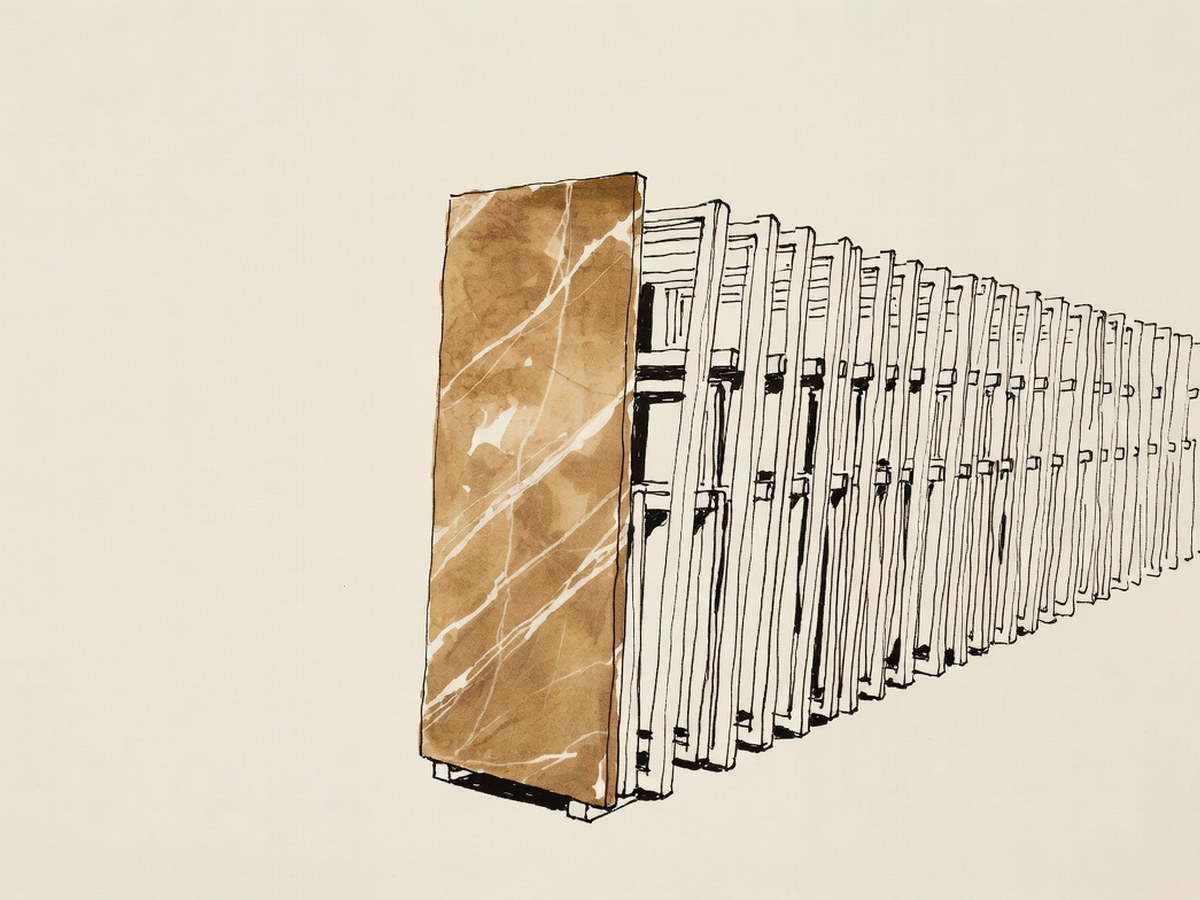
An article about design decision and supply chain. What changes when an office exchanges imported material for Brazilian stone and wood, and why the data still does not confirm the substitution.

How an invitational club works, why restricting entry produces trust and where the model breaks down, according to the filings of the only major club company that has ever been publicly traded.
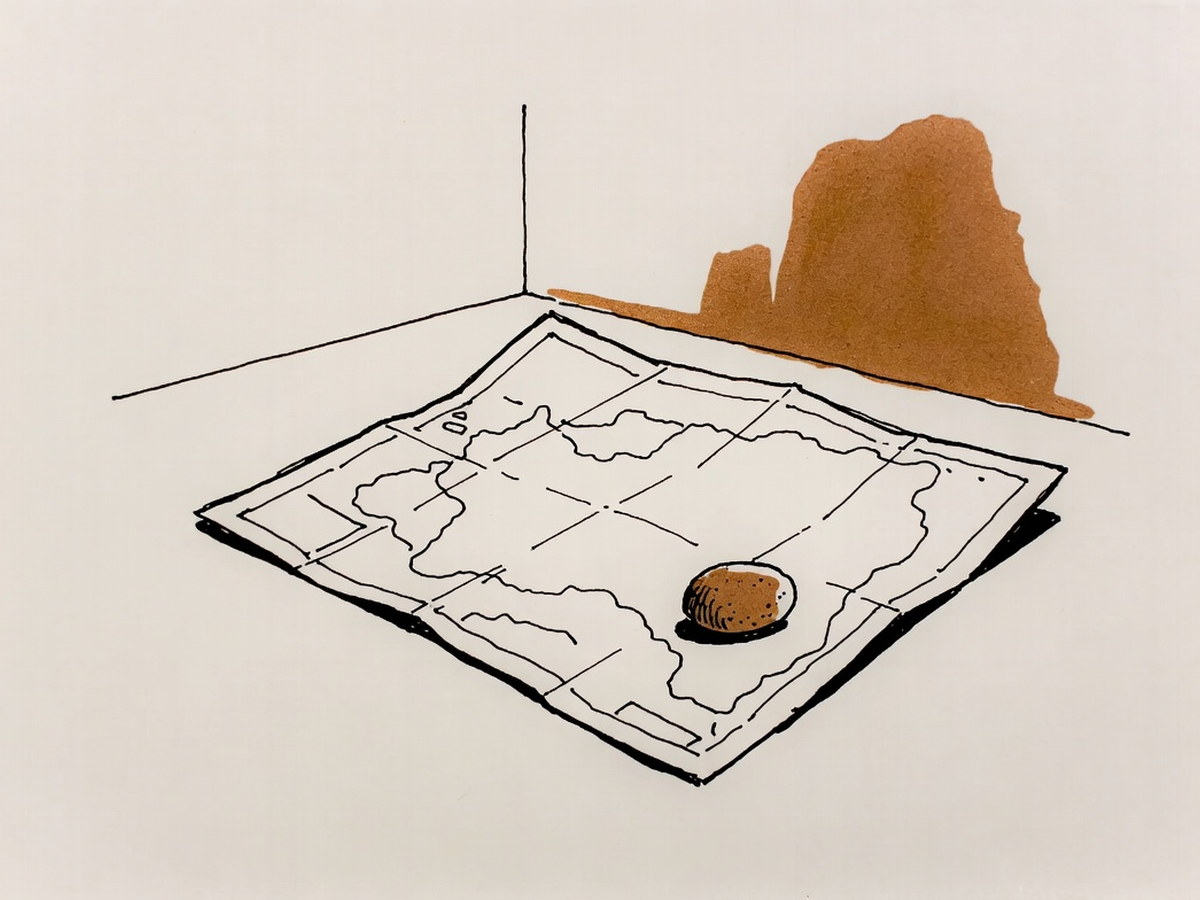
What changes when a company decides to narrate its own territory. The 34 Brazilian names against the 346 Europeans, the coffee that comes out green and the company that declares its own valley as a risk factor.
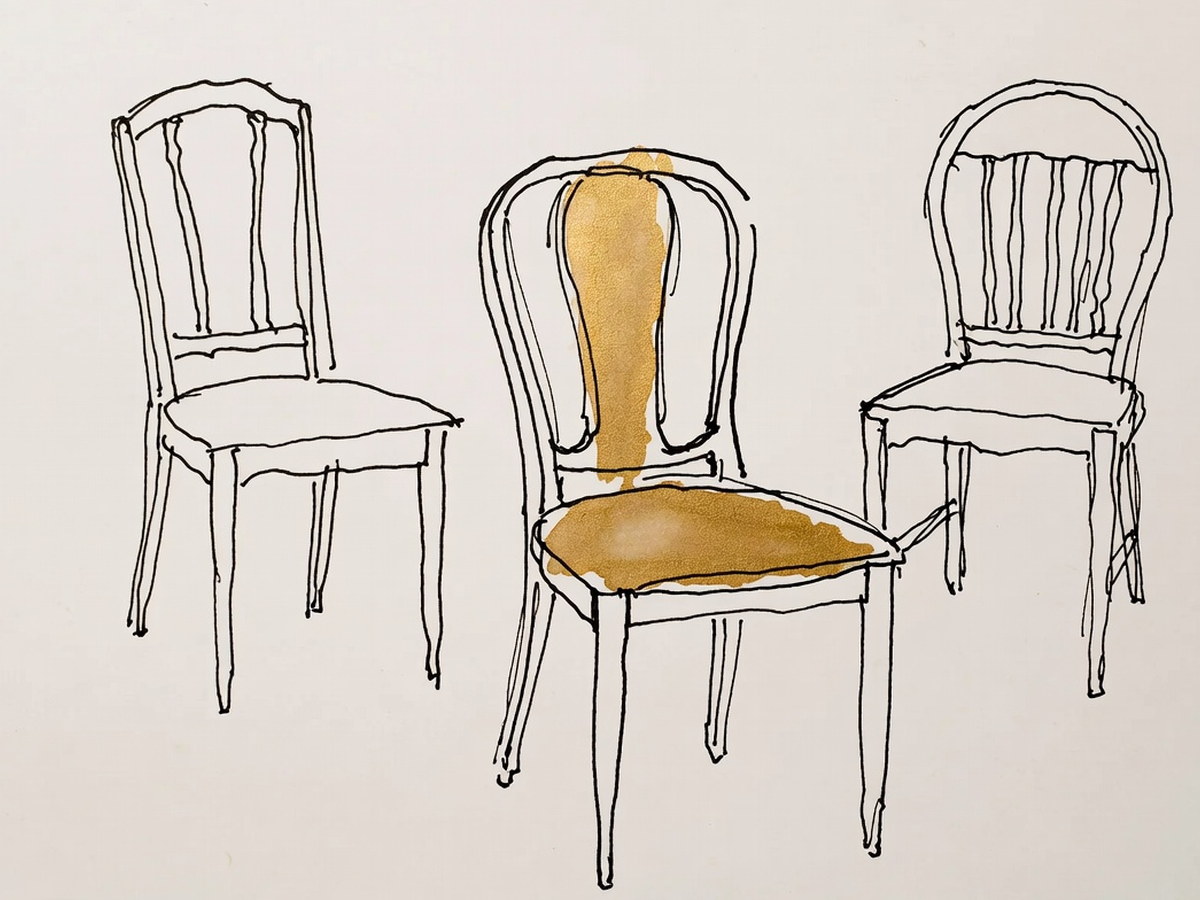
A comparison of agencies, consultancies and creative houses written from the point of view of the person hiring: remuneration models, subcontracting measured by IBGE and the checklist before signing.

The architectural firm is a brand that refuses to act as such. Before blaming the lack of branding for the fee, data from IBGE and the CAU Census point to fragmentation, supply and anchored prices.

The McKinsey Design Index and the dmi:Design Value Index are correlations produced by those who sell design. What a company can track is elsewhere: in a named expense line and in a dated record.
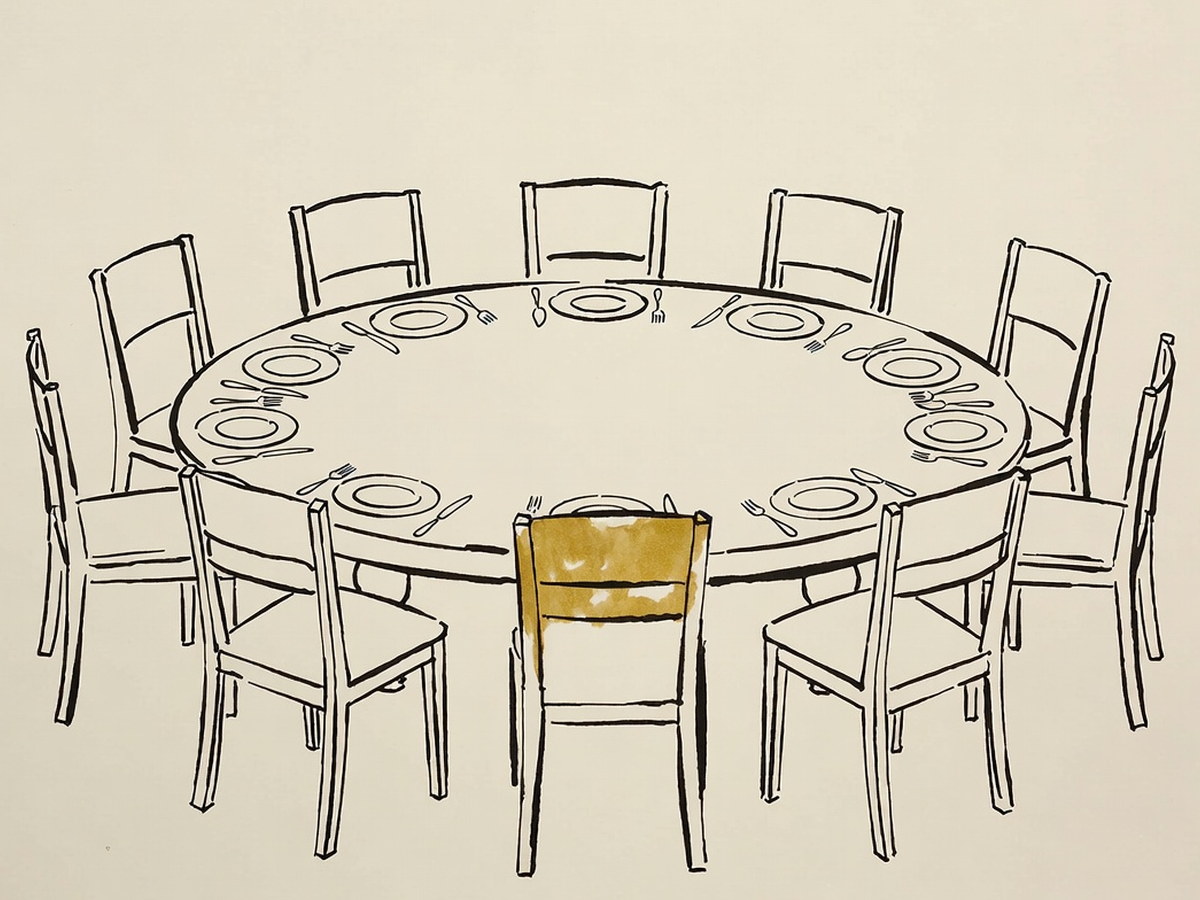
Operational method of the meeting by invitation: how to assemble the list by affinity instead of hierarchy, what is asked at the table, how much it costs per decision maker and the five indicators that the company measures alone.
What the audited statements of fourteen publicly traded Brazilian developers reveal about positioning, price per square meter and cancellations in the high-end market.
What the IBGE Innovation Survey reveals about what actually hinders innovation in Brazilian companies, what the literature measures about psychological safety and six management decisions.

What the IBGE Annual Services Survey and the balance sheets of chains listed at the SEC show about where the brand enters into a restaurant's account, and what happens to it when it depends on a single person.
Why documented information about an object changes what a person agrees to pay for it, what the Significant Objects experiment proves and doesn't prove, and five tests for a brand narrative.

Why relational capital is a manageable asset and not networking: the evidence on weak ties, what is and what is not included in the register of people, and the legal basis required by the LGPD.
The sales stand did not die: it became insufficient. Expenses to sell rose from 7.31% to 8.87% of revenue in the medium and high end, and units sold fell by 19.54%.

How creative work organizes itself from within: the Double Diamond phases, the measured evidence that generating alternatives in parallel works better, and the mechanism that makes changing scope costly.
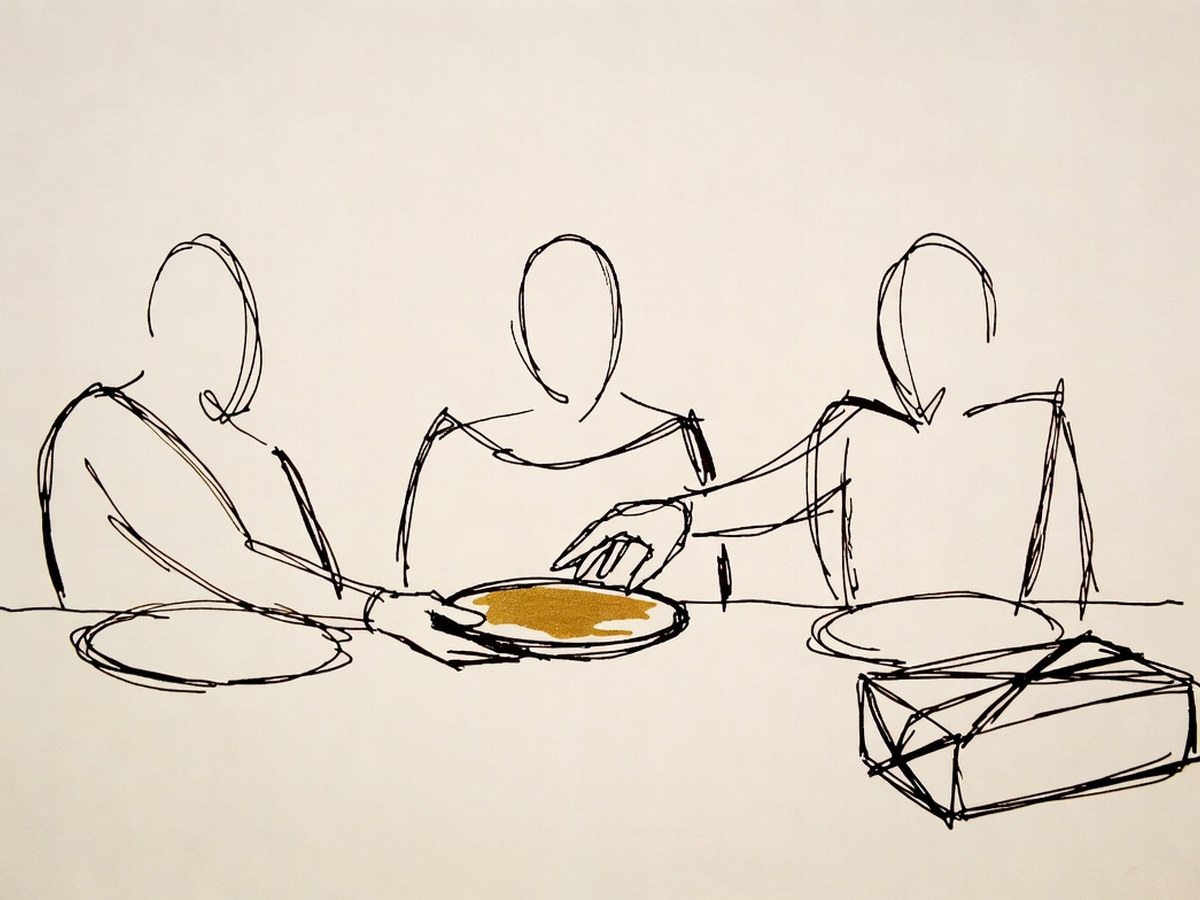
The expense moved from the good to the event, but the cake did not grow: the order of priority within it changed. Brazil's numbers and the three caveats that almost no one makes.
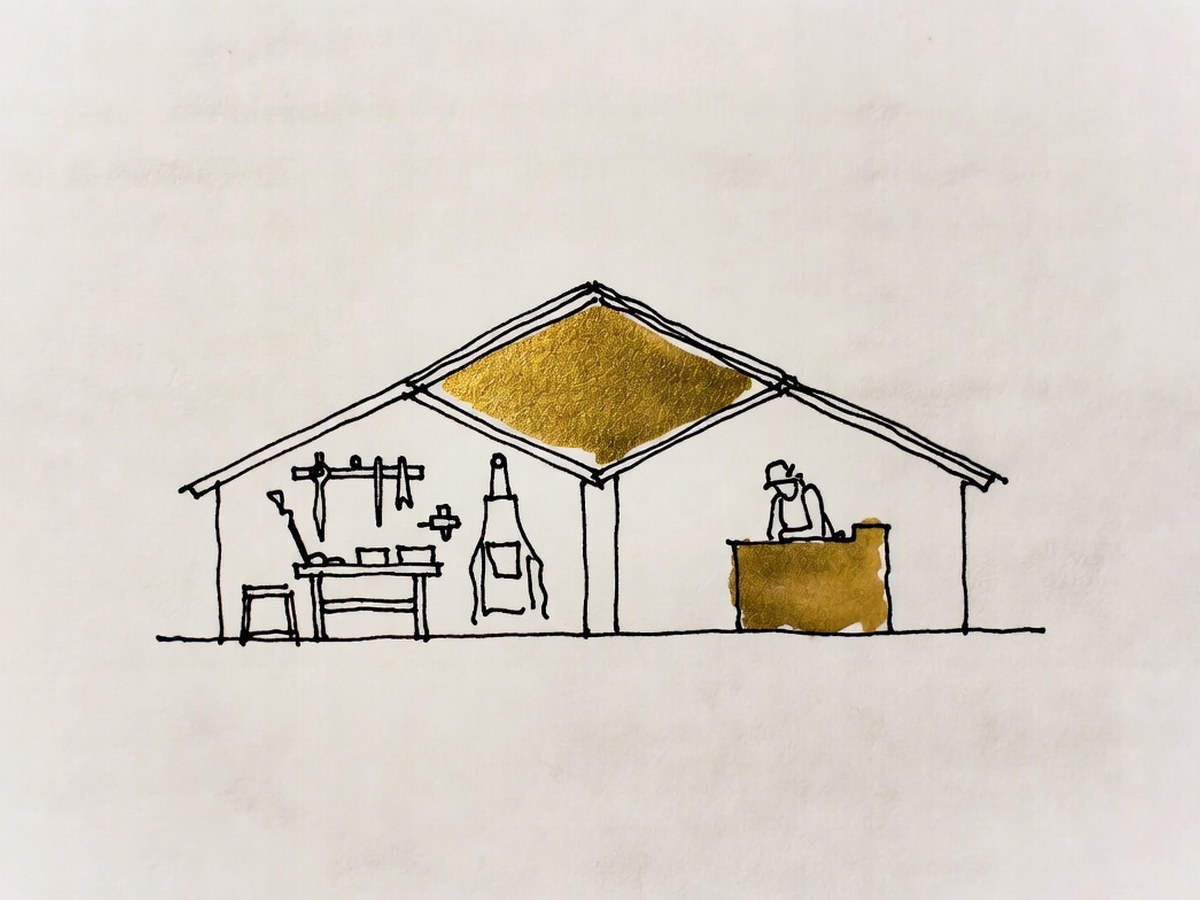
The definition of the category, with number: why the term needed to exist, what a house does that a supplier doesn't, and the five signs that separate one from the other.

The value left the object and went to live in the access. What the 2025 numbers show and why the displacement favors those who produce in Brazil.
When the thesis doesn't fit into two thousand words.
The house reports are comprehensive studies, with sources classified by reliability and declared divergences. Open preview, full reading upon registration.
see published reports